

Chloe Carmichael is a clinical psychologist who frames free speech as a critical component of mental health and emotional well-being.
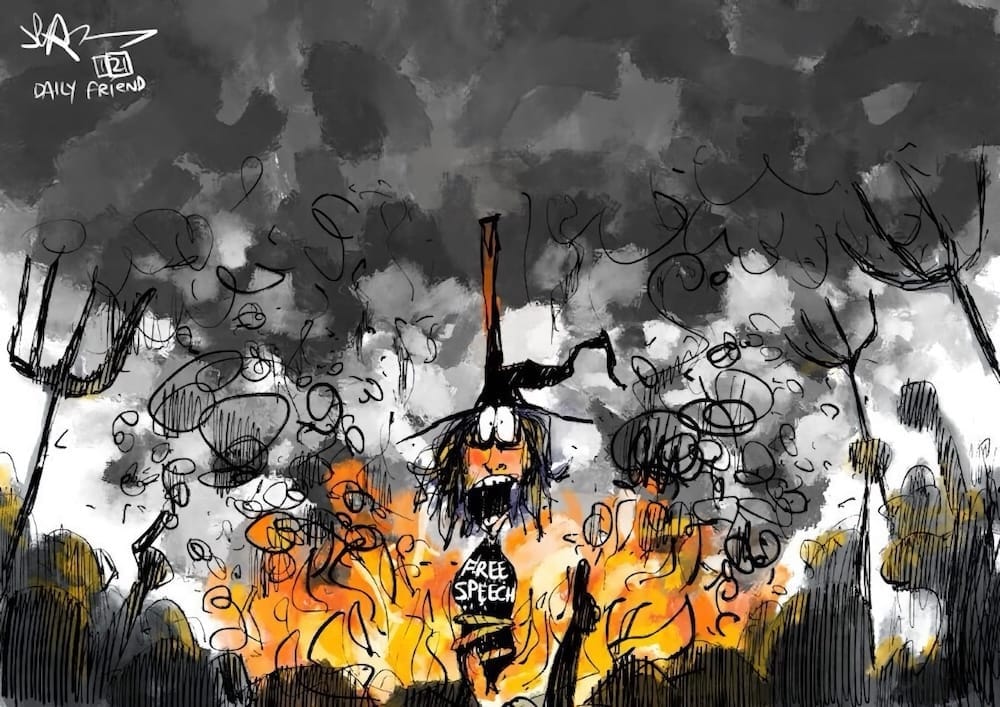
She argues that open dialogue fosters authenticity, personal growth, and psychological resilience, while censorship and self-censorship can undermine mental wellness.
In her book Can I Say That?, she explores free speech not just as a legal right but as a psychological tool, offering strategies to speak confidently even in socially sensitive contexts.
Free speech is meant to protect unpopular speech. Popular speech, by definition, needs no protection.
— Neal Boortz
🎙️ Podcast episode
This episode was recorded for my UK Column show and is freely available.
Please help keep UK Column independent.
Talking points
- Self-censorship is common and can hinder honest expression.
- Free speech is legally protected but socially constrained.
- Open dialogue helps correct misinformation.
- Words alone are not violence; this view may weaken discourse.
- Cultural norms shape how speech is expressed and received.
- Self-restraint differs from fear-based self-censorship.
Free speech is my right to say what you don't want to hear.
— George Orwell


