

There is a trick at the heart of modern feminism, and once you see it you cannot unsee it.
A movement that claims to speak for women has spent a century telling women that their bodies are a problem, their instincts are a cage, and their greatest gift — the ability to grow another human being — is an obstacle to be managed, delayed, or removed altogether.
If feminism is truly about women, then ask the obvious question: why does it keep asking women to become something else?
Carrie Gress answers that question, and her answer is uncomfortable for almost everyone.
She says feminism did not begin with a bad policy or a bad decade. It began with a bad question.
My fundamental critique of feminism is that it started with the wrong question, asking: “How to make women more like men?”
That is the whole thesis, and it explains the last 200 years in one sentence.
Once you accept the premise that the male life is the default and the female life is the deviation, everything that follows is just housekeeping.
- Marriage becomes a contract to escape.
- Motherhood becomes a burden to outsource.
- The home becomes a prison with a mortgage.
- And the woman who actually likes her life — the one who wants a husband, children, and a kitchen that smells of baking — becomes the enemy of her own sex.
Feminism from the very start began with this question, and once you see it, the road from Mary Wollstonecraft all the way to the transgender movement runs straight and unbroken.
— Carrie Gress
The three pillars
Most people argue about feminism without ever naming what it is built on.
Carrie calls out three pillars:
- free love,
- smashing the patriarchy, and
- the occult.
 Jerm
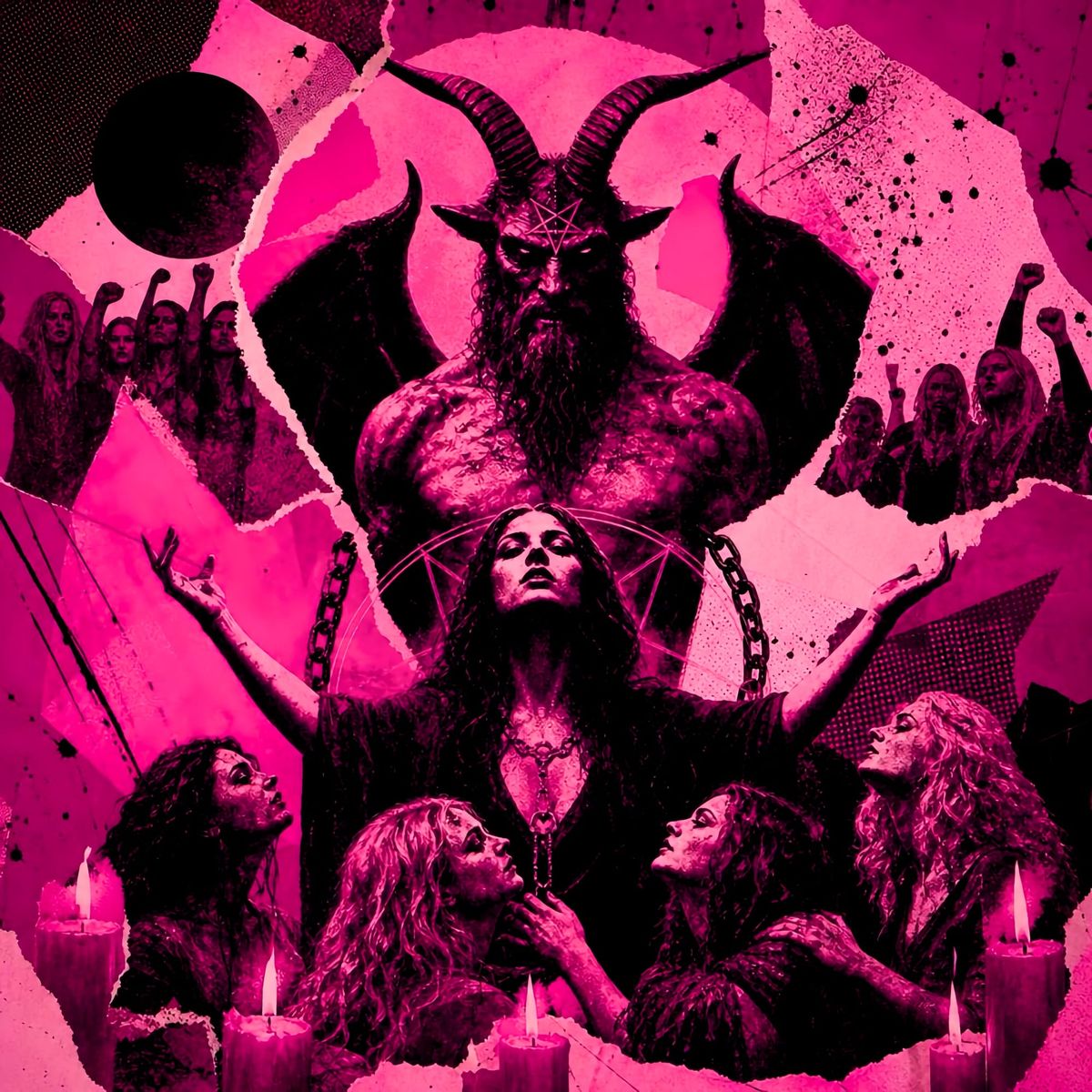
Look at each one and ask who profits.
Free love breaks the bond between sex and babies. It sounds like freedom for women. In practice it hands men unlimited access with zero responsibility, and it leaves women carrying the entire cost — emotionally, medically, and financially.
Smashing the patriarchy does not just flatten hierarchies. It vilifies men while it collapses everything into a grey mush of “equality”, where difference is treated as a crime and fathers become optional extras.
 Jerm
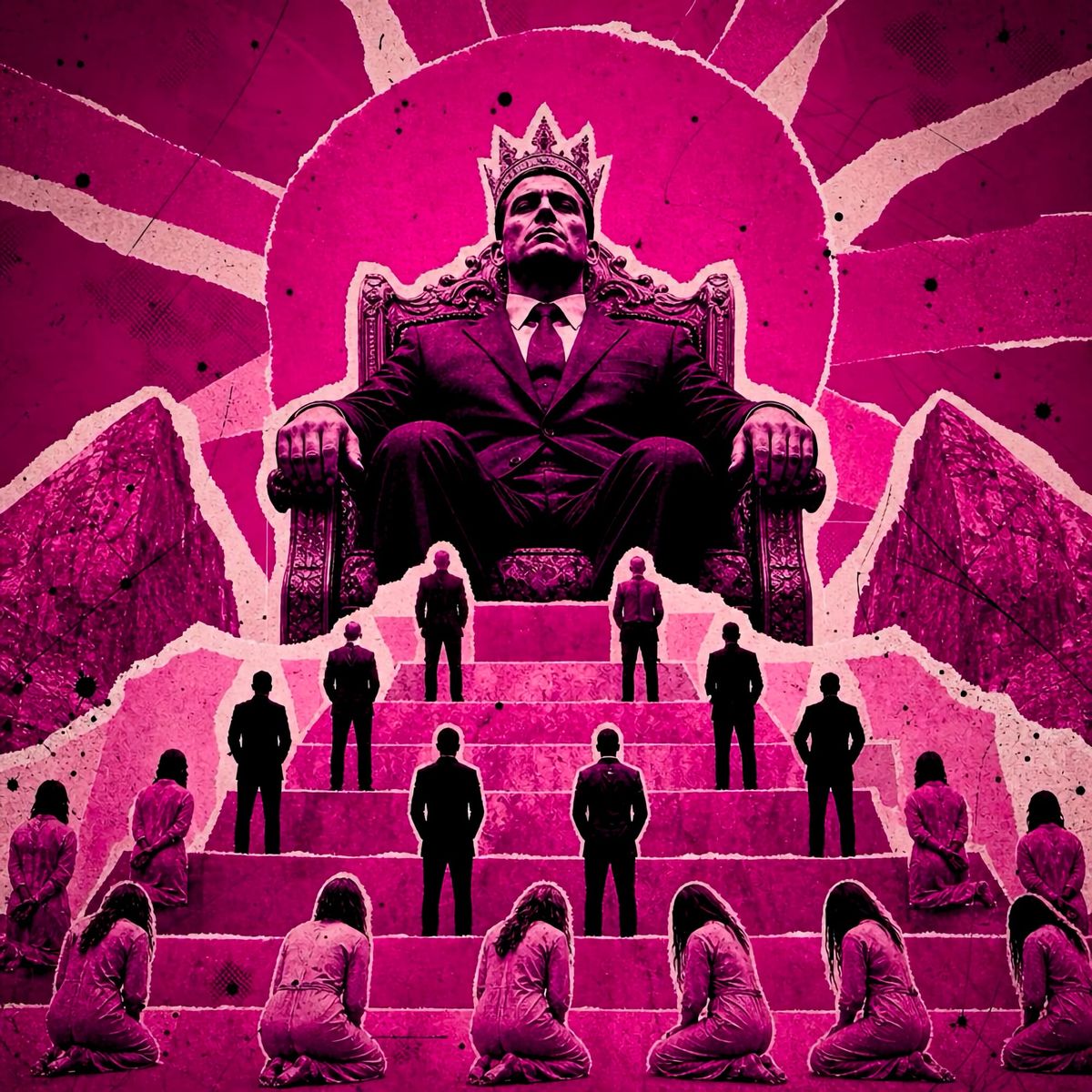
The occult is the one nobody mentions on daytime television. And it is the one that should worry you most.
Carrie Gress is a philosopher and think-tank fellow at the Ethics and Public Policy Centre and a scholar at the Institute for Human Ecology at the Catholic University of America. She is the editor of Theology of Home, an online women’s magazine.


