

I was recently at a friend's house and spoke to an Iranian expat who told me he supports the US/Israeli attack on Iran.
I asked him why and his answer was:
The enemy of my enemy is my friend.
Now, to be clear, I don't presume to know more about his home country than he does, but his view starkly contrasts with that of Setareh Sadeqi, an assistant professor at the University of Tehran, who's been on my podcast a few times.
 Jerm
Jerm
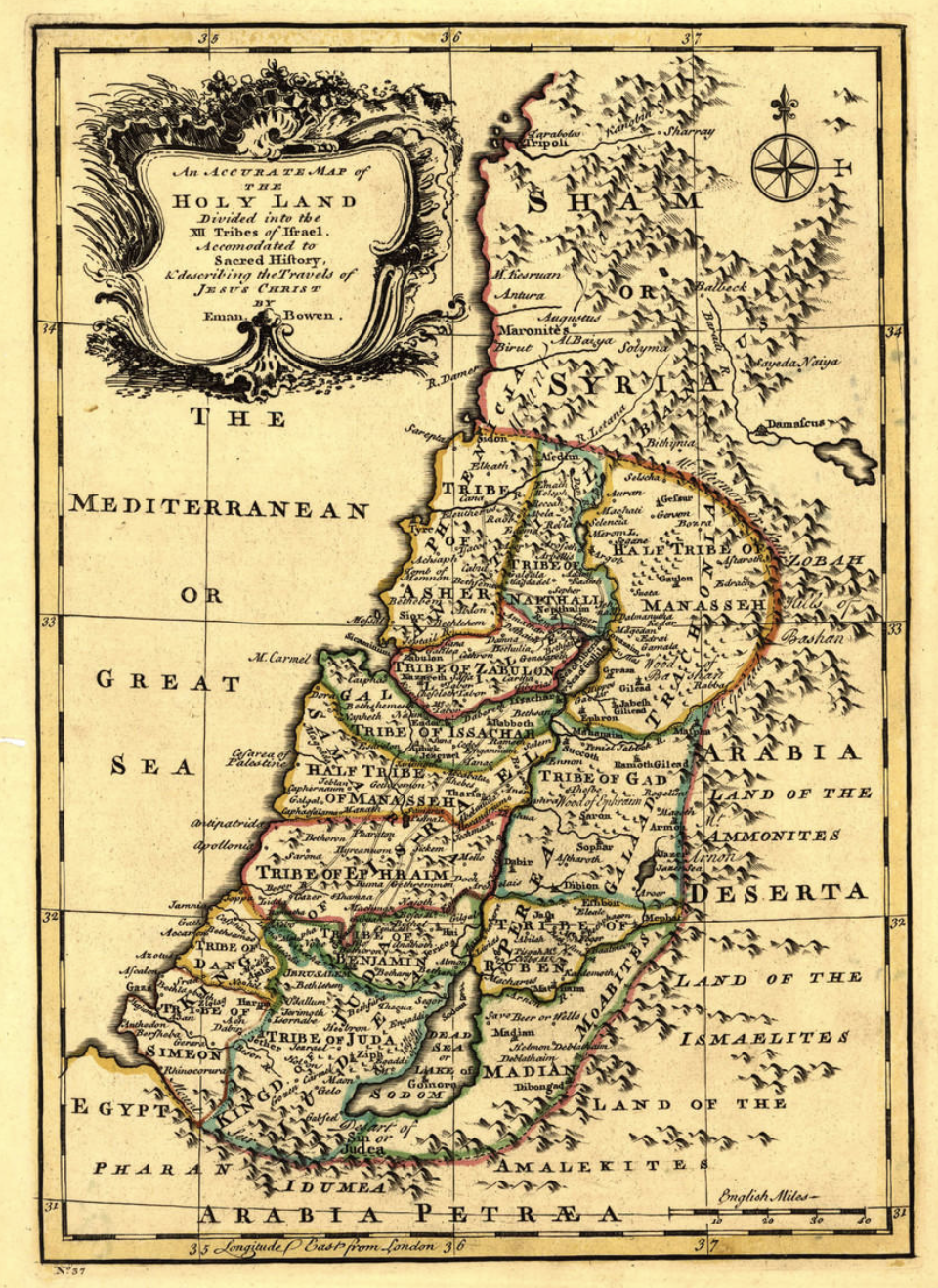
And I did notice that he didn't refer to himself as Iranian but rather as Persian, which hints at an interesting psychological nudge. Furthermore, he claimed that Palestine has never existed and is merely a social construct invented in the 1800s. This is incorrect—as Jewish historian Zachary Foster explained on my podcast, the historical record shows otherwise. It wasn't a country with borders, sure, but it certainly existed as a region. Here's a map of Palestine, from 1752:
Nonetheless, what interested me was his statement that 'the enemy of my enemy is my friend'—meaning that while the US and Israel are his enemies, because his own government is also his enemy, he sees the US and Israel as friends.
This maxim, while often repeated, is a strategic failure in war, personal growth, or any other sphere.
Friendships work like this
Let me establish, in my opinion, what actually makes a friendship successful. I would argue that there are around three pillars:
- Shared long-term goals
- Compatible values
- Mutual benefit
The 'enemy of my enemy' approach ignores all three.
Instead, what happens is that it builds alliances on a single, temporary vector, which is opposition to a third party. A shared hatred towards something or someone.
Which is a negative foundation.
Beware of sentimental alliances where the consciousness of good deeds is the only compensation for noble sacrifices.
— Otto von Bismarck
True friendships?
Look, the maxim can (and does) work tactically in the short term, but only under very specific conditions and as part of a broader strategy to subdue an enemy.
And it has very little to do with friendship.
For example, the ancient Romans mastered this as a conquest strategy. They would cause internal conflicts among enemies, deliberately fragmenting power structures and therefore preventing unified resistance, which is something I've written about. Around 500 BC, Rome systematically turned Gallic tribes against one other, preventing any unified resistance.
However, this wasn't actually about making friends with the Gauls, even if it seemed that way—it was about destroying them.
Another example, more recently, is the Grand Alliance between Roosevelt, Churchill, and Stalin. They worked together to defeat a common enemy, and then themselves became enemies during the Cold War.
So, they were never really friends to begin with.
Their 'friendships' were built on a negative foundation.
There is only one thing worse than fighting with allies, and that is fighting without them.
— Winston Churchill
It's a psychological trick
Saying 'the enemy of my enemy is my friend' feels logical because of a few mental shortcuts that our brains create.
One of the shortcuts is that it's simple. Complex scenarios get reduced to 'us vs them' thinking.
It's divisive.
Also, it's immediate because the focus becomes the current threat rather than the long-term consequences.
And, of course, you think you're being smart by using your enemy's enemies to create a friendship.
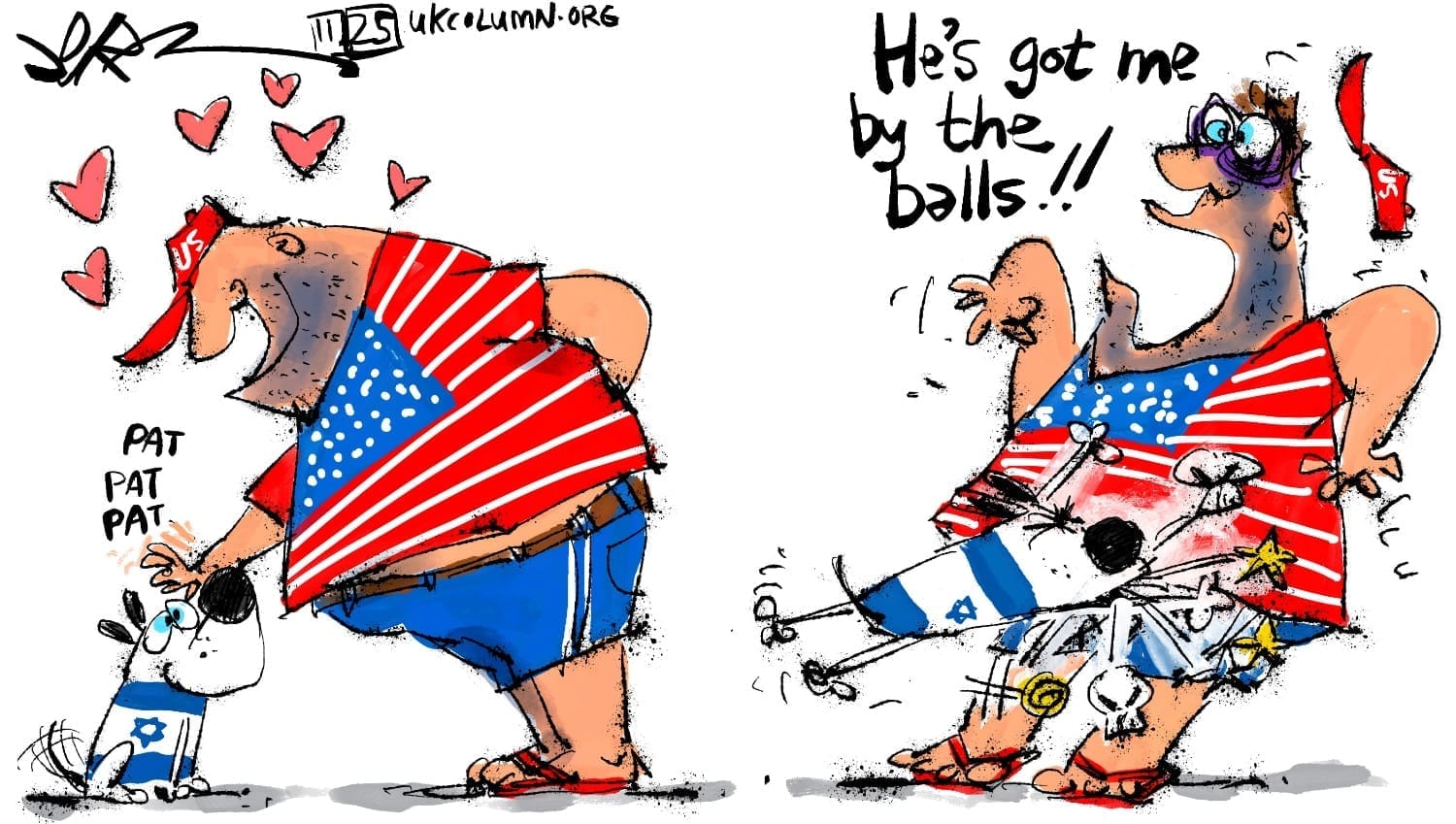
But simple doesn't mean correct.
And feeling strategic isn't the same as being strategic.
The enemies you make by taking a decided stand generally have more respect for you than the friends you make by being on the fence.
— Henry Kissinger
Is it really about friendship?
It's a bit of a challenge at times, but I'd suggest that friendships should be built on genuine qualities, not deception.
Has the Iranian gentleman considered what the true end goal of the attack on Iran actually is? Is it really about 'regime change' because Trump and Netanyahu care deeply about the Iranian people? Or is there a broader, more strategic game at play?
 Jerm
Jerm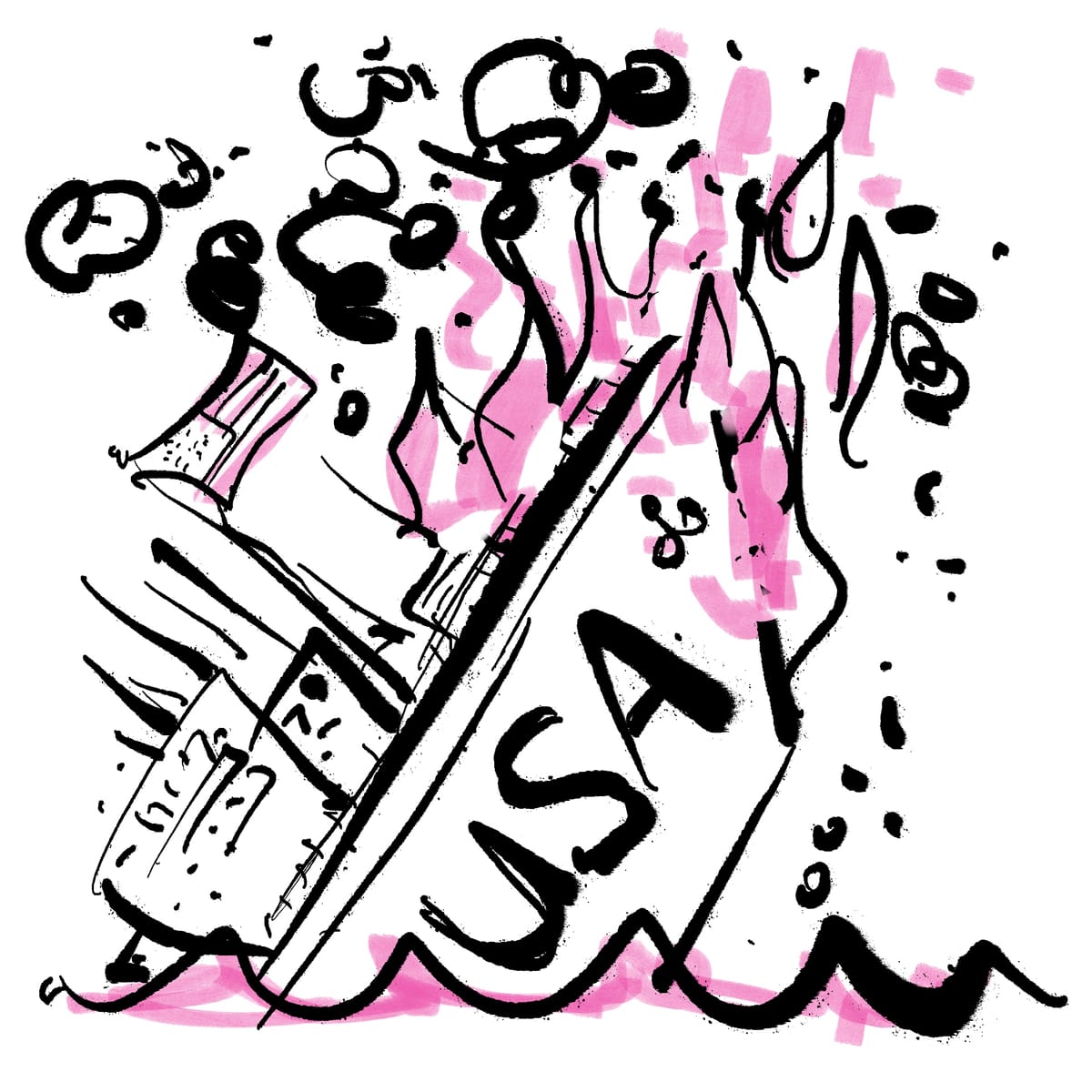
And if the US and Israel were genuine friends, why did the IDF deliberately attempt to sink an American ship?
In fact, if the US and Israel were genuine friends, then explain the following:
- The Lavon Affair (1954) involved Israel conducting a false flag operation in Egypt that targeted American and British facilities whilst attempting to blame the attacks on the Muslim Brotherhood.
- Jonathan Pollard was a US Navy analyst who spied for Israel from 1984-1985 and was sentenced to life imprisonment, becoming known as the most damaging spy working for a US ally.
- Ben-Ami Kadish was a retired Army engineer who passed 50-100 classified documents about US nuclear weapons and missiles to Israel between 1979-1985 before being arrested in 2008.
- Israel stole PROMIS case-management software in the 1980s-90s, added backdoors to it, and sold the compromised versions to foreign governments for surveillance purposes.
- Before 9/11, numerous Israelis posing as art students conducted surveillance activities near sensitive military installations.
- Stewart Nozette was a NASA scientist who attempted to sell classified satellite and early warning system information to Israel in 2009 and was sentenced to 13 years in prison.
- Hundreds of Israeli Unit 8200 intelligence veterans have infiltrated US technology companies and created surveillance technologies like Pegasus spyware.
Is that how friends behave?
Israel is a true friend. It is our greatest ally in the region. And if Israel is attacked, America will stand with Israel. I've made that clear throughout my presidency.
— Barack Obama
Governments don't care about their citizens, as was noted by author Étienne de la Boétie² in his conversation with me. And they certainly don't care about the citizens of other countries.
Governments care only about power and control.
Final thoughts
Instead of asking 'Who do we both hate?', perhaps a better set of questions might be:
- What do we both want to achieve?
- How can we help each other succeed?
- Do our methods and values align?
- Will this relationship benefit both parties long-term?
'The enemy of my enemy is my friend' isn't wisdom—it's lazy thinking disguised as strategy. However, as I've said, it can be effective as a tactical tool for specific, limited objectives when you understand its temporary nature.
True strategic thinking, in my view, is about alliances built on what we're for, not just what we're against. Shared opposition can be useful tactically, but shared purpose is a superior strategy.
I remember during Covid-1984 that many people formed friendships based on a shared negative foundation—opposition to lockdowns, vaccines, and the other absurdities.
Now that it's all 'behind us', many of those connections have faded, precisely because they weren't real friendships to begin with, but alliances built on shared resentment.
Governments care only about power and control.
In fact, some individuals who pushed back alongside me now label me 'controlled opposition' and other ridiculous things.
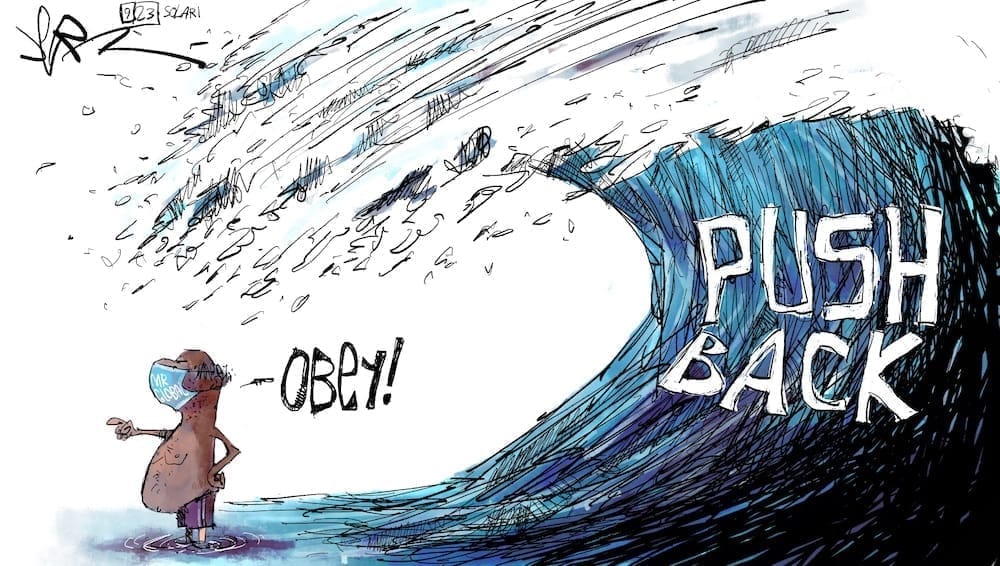
The enemy of my enemy is not my friend.
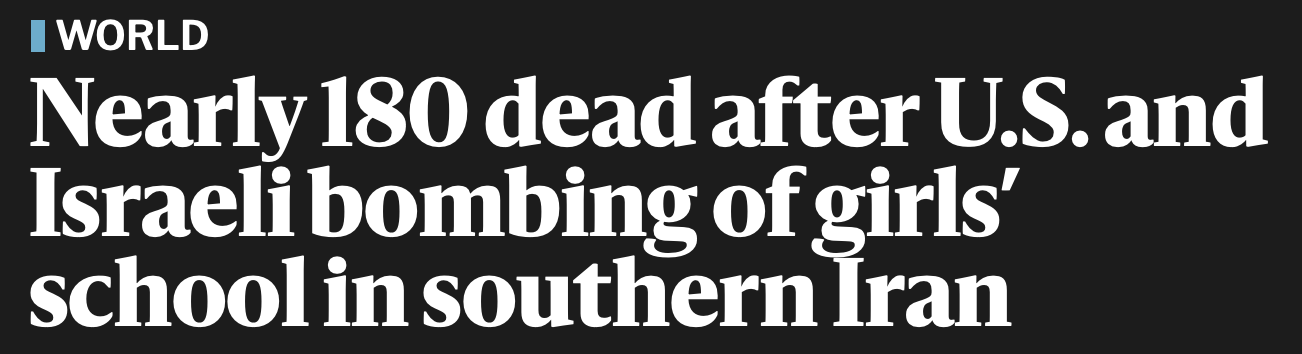
And I very much doubt that the US and Israel are Iran's friends, as the Iranian gentleman claimed. Bombing a girls' school is not what friends do.
Moreover, I also highly doubt that the US and Israel are genuine allies to each other.
It's all a game of chess.


