Bart Sibrel is an award-winning filmmaker and investigative journalist with over four decades of experience, known for his work in cinematography, editing, and directing, featured in outlets like Time Magazine and The New York Times.

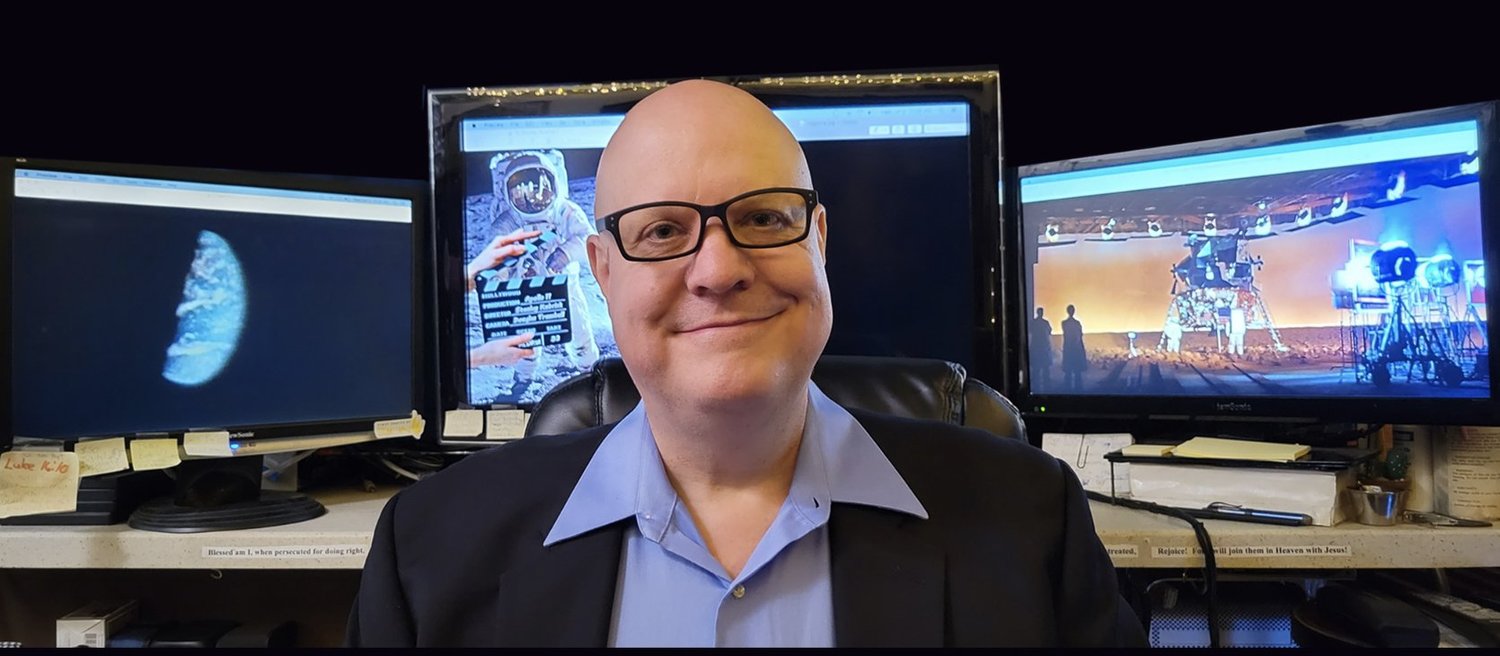
He is best known for his arguments that the Apollo moon landings were faked, appearing on Joe Rogan, 60 Minutes, and Danny Jones.
Subscribe to my newsletter. It's free and you can unsubscribe anytime.
I strongly recommend his documentary A Funny Thing Happened on the Way to the Moon, which has garnered over two million views on YouTube.
A classified interdepartmental memo rated the odds of a survivable manned lunar mission, on its first attempt with primitive 1960's technology, at only one in ten thousand.
— Bill Kaysing, former NASA contractor
For some reason, this remains an incredibly polarising topic—one that sparks intense reactions. Perhaps it's because the moon landing represents such a pivotal claim about humanity's progress. Many seem unwilling to entertain the idea that what's often hailed as the greatest moment in human history might not have occurred. At the same time, many choose to accept NASA's account—despite it being part of the US government—on this narrative, while dismissing its credibility on other issues.
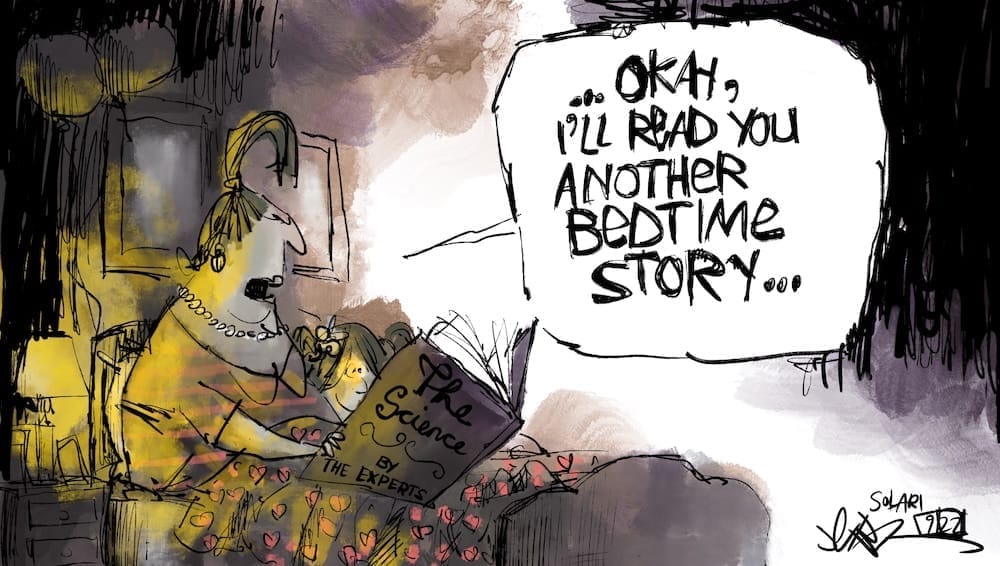
The epistemology is indeed fascinating.
Subscribe to my awesome podcast, available on most podcast apps. Episodes added almost daily.
NASA began to doctor photos three years before the Apollo missions landed men on the moon.
— Ralph Rene, author
🎙️ Podcast episode
This episode with Bart was recorded for my UK Column show and is freely available.
Please show your support for UK Column's independence and refusal to be influenced by governments and corporations.
You can, of course, listen to the audio version on your podcast app. If you're using Apple Podcasts, consider upgrading to the paid subscription to remove the ads.
Talking points
- The moon landing is a major historical deception, possibly the biggest.
- Government misinformation has serious real-world consequences.
- Limited independent media coverage fuels suspicion around key events.
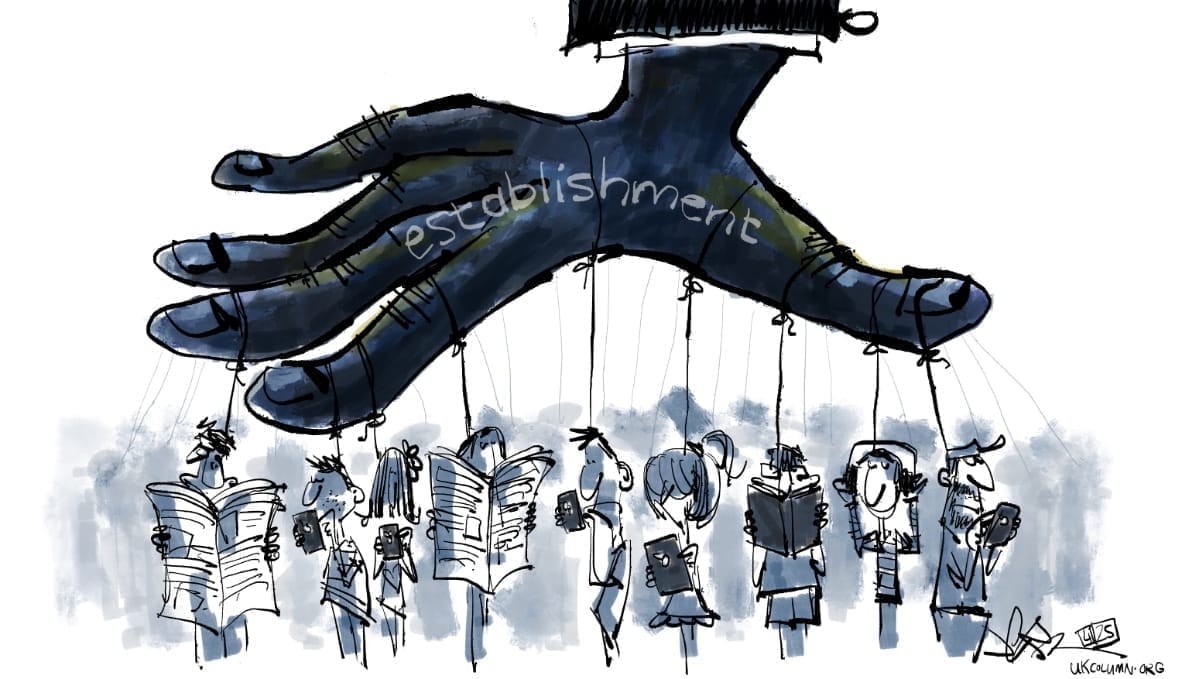
- Media influence shapes public understanding of history and science.
- Truth and transparency are vital for public trust in institutions.