

I quite like revisionist history.
Ben van Kerkwyk runs a YouTube channel called UnchartedX which explores alternative theories on ancient civilisations, especially Egypt, challenging mainstream historical narratives about our past.

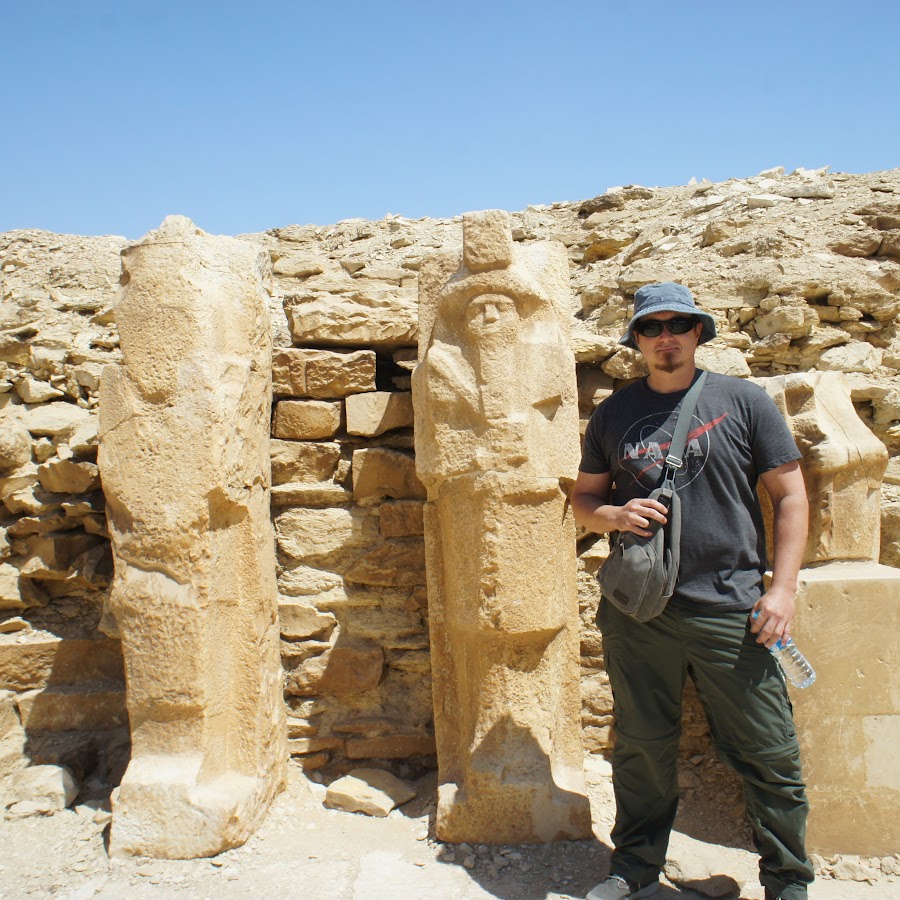
The argument that caught my attention is this: history follows a cyclical pattern.
Advanced ancient civilisations rise, then fall to cataclysmic events—like mega-floods and other disasters—that wipe out knowledge and force humanity to restart.
I see the Genesis creation story as a possible account of one such reset.
Which means the Big Bang and Darwinian theory are probably bunk.
It's not a new idea
The dominant story we're taught — that history is a one-way march from primitive savagery to enlightened modernity — is a surprisingly recent idea.
It really took hold with Hegel's teleological philosophy and later Marx's dialectical materialism, both of which conveniently placed their own era at the apex of human development. This is sometimes called 'Whig history' — the habit of reading the past as an inevitable build-up to the present. It's flattering to whoever's currently in charge. It says: we are the point of it all.
Empires, institutions, and ideologies love this framing because it implies they're the destination, not just another stop on the wheel.
But before the West got hold of the narrative, almost every major civilisation thought about time cyclically.
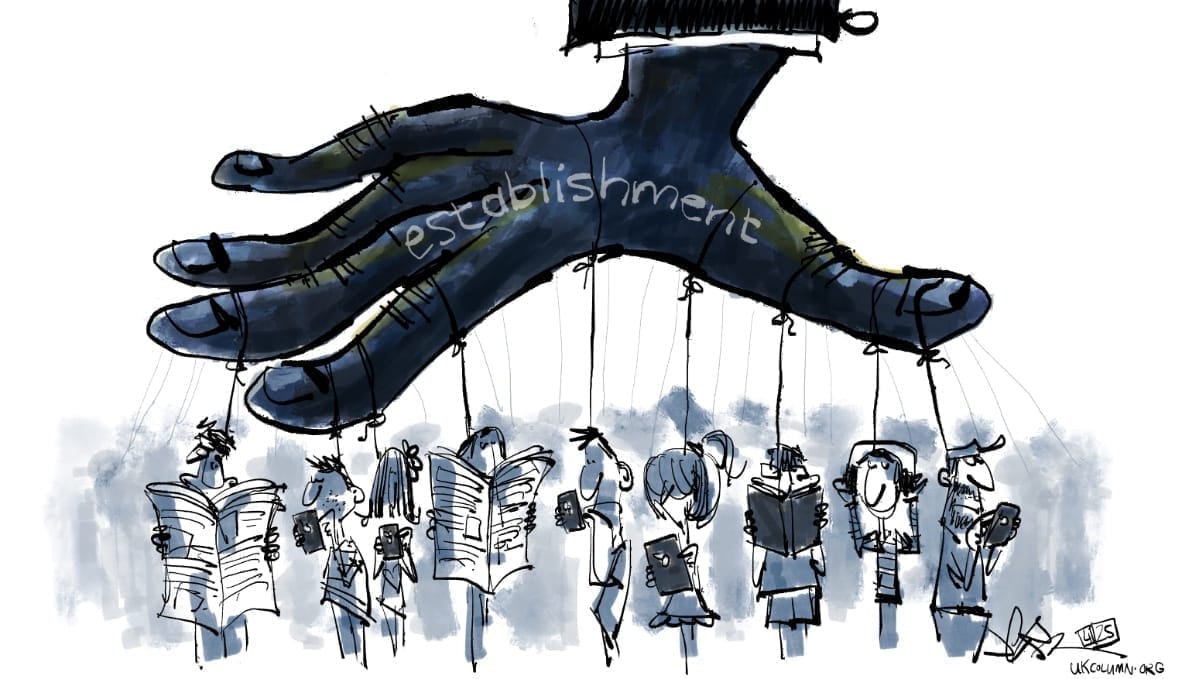
The establishment dismisses this because cyclical history is deeply threatening to those in power.
Ancient Egyptians possessed lost technologies for precise stonework that modern experts struggle to replicate.
— Christopher Dunn
Why the establishment suppresses it
The linear progress narrative isn't just wrong — it's useful to those in power.
- If history is cyclical, then every empire falls. Including the current one(s). That's a destabilising idea.
- If civilisations reset, then the current ruling class has no special claim to permanence or legitimacy.
- Academic history is funded by institutions that have a vested interest in the idea that we've arrived— that liberal democracy, global capitalism, and Western hegemony are the endpoint of history.
The cyclical view was dominant in the ancient world, in Islamic scholarship, in Hindu cosmology (the yugas), and in Chinese dynastic theory.
It was only when European powers needed to justify colonialism and their own dominance that 'linear progress' became the official story.
🎙️ Podcast episode
In this episode, Ben used a lot of visuals.


